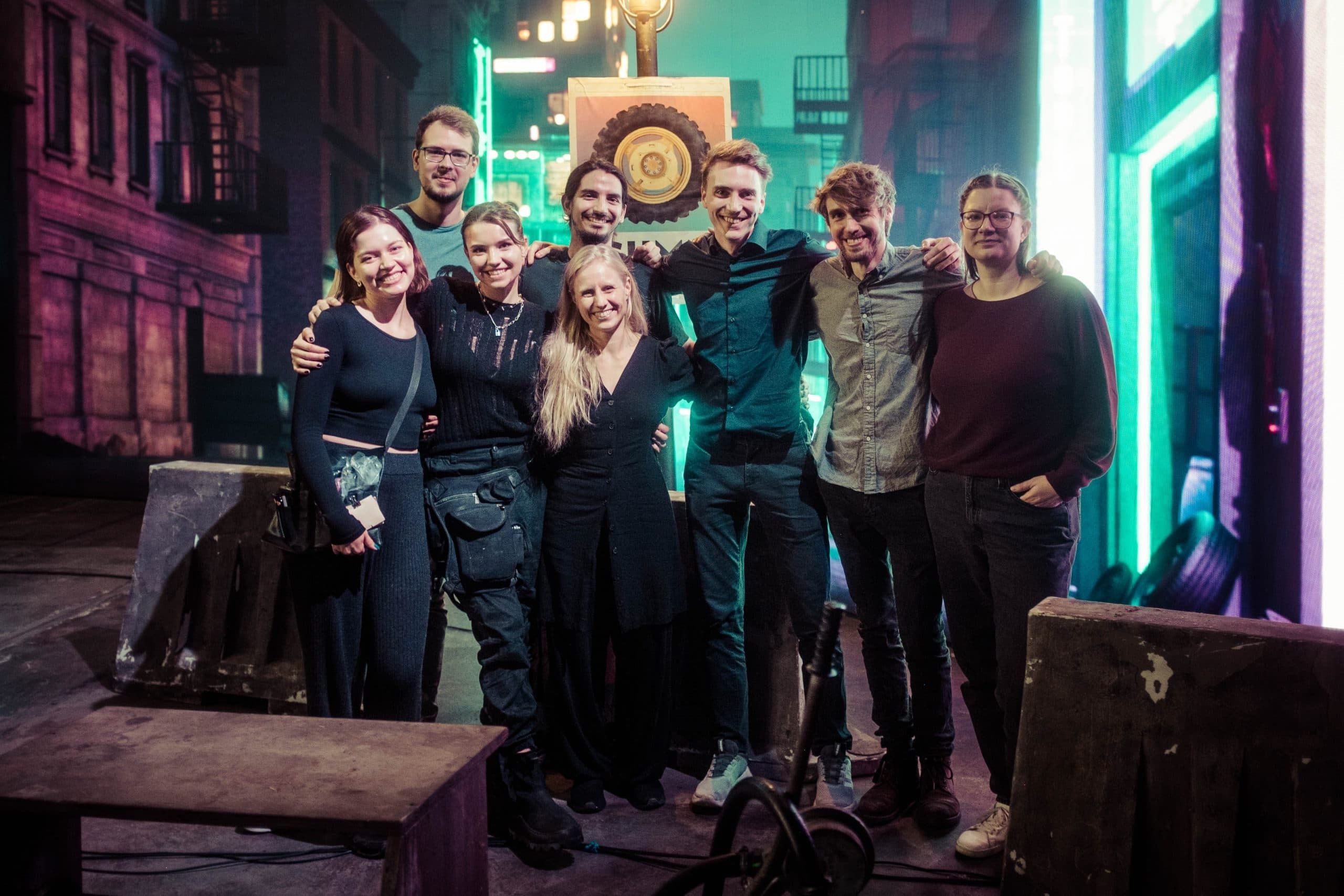
From Science Fiction to Neurometrics: A Filmmaker’s Possible Future of Production
KreaTech
September 18, 2025
Film University Babelsberg student Marco Braune explores neurometrics to inform creative decisions. Through Interconnection and virtual-production tests, he pairs feedback with real-time biometrics, emphasising ethics, interpretation, and iterative learning.
How can biometric data support creative decision-making in film?
At the crossroads of creative storytelling and emerging technologies, Marco Braune, a student filmmaker from Film University Babelsberg reflects on the opportunities and challenges of integrating neurometrics into the production process. His journey shows how tomorrow’s filmmakers may use both technical innovation and artistic vision to shape new forms of audience engagement.
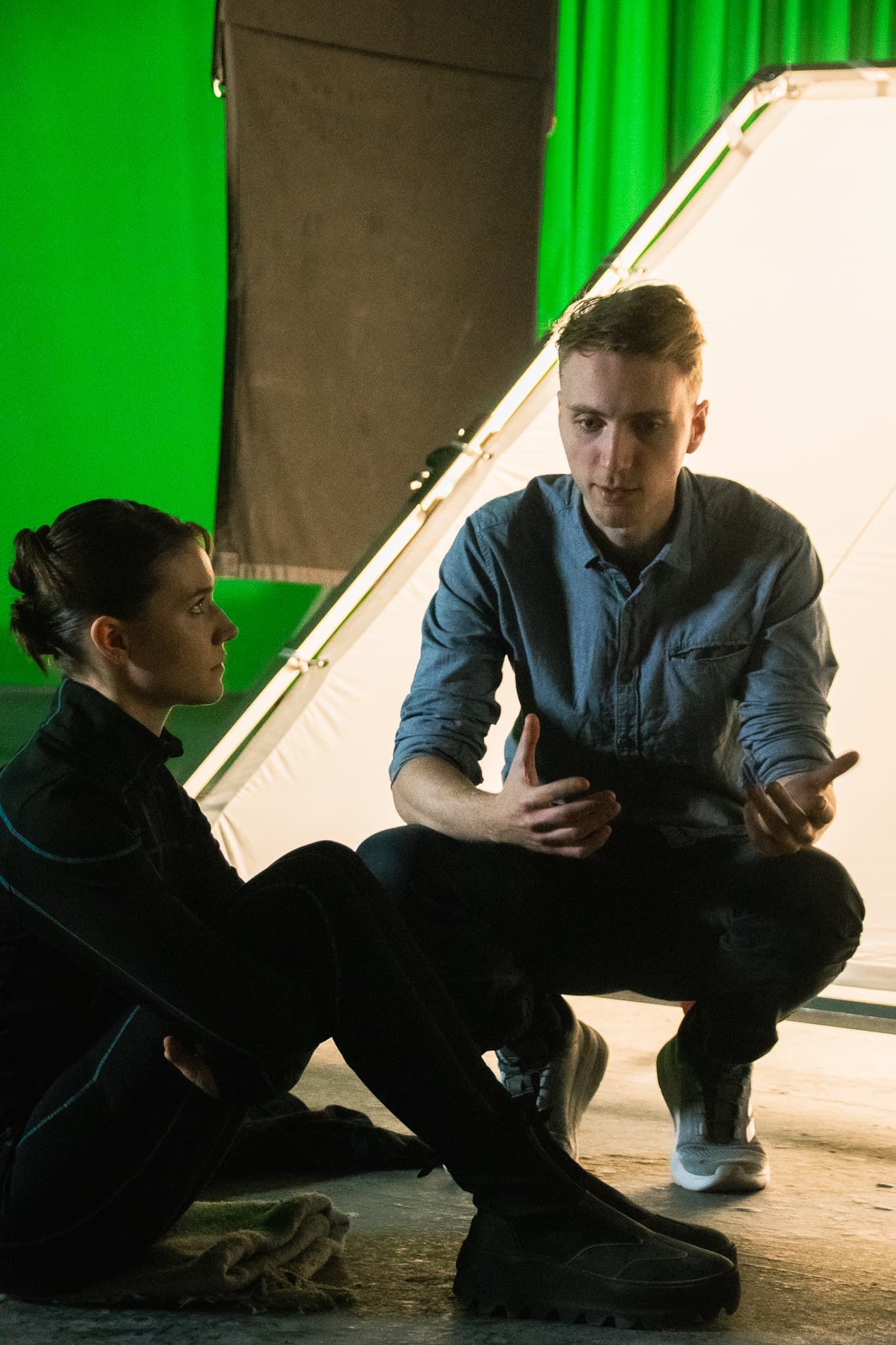
Marco Braune at the set of Interconnection
A New Generation of Filmmakers
Braune began his studies at Film University Babelsberg in 2021, building on a background in media technology and programming. Over time, his interest shifted from coding to creative visual work, leading him into virtual production. At the university’s Virtual Production Lab, he first explored LED walls and real-time rendering in Unreal Engine. For him, science fiction is not just a genre but a way to explore worlds beyond everyday life, while still reflecting on contemporary issues.
“It’s refreshing to step outside the familiar, to create stories that offer a break from reality, where audiences have the chance to lose themselves in something different.”
Interconnection
This motivation led to Interconnection, a five-episode sci-fi miniseries with a total runtime of about forty minutes.
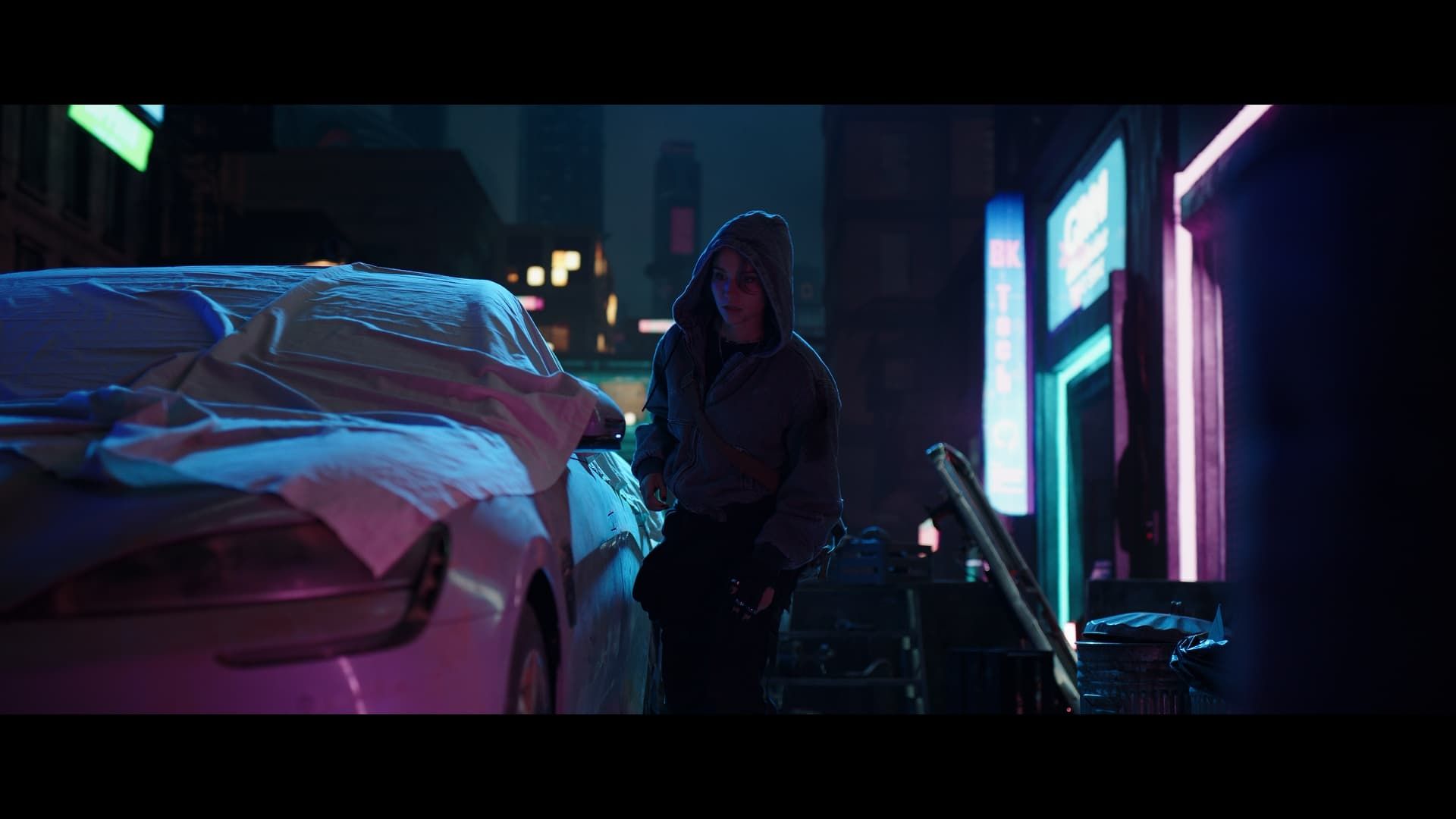
Still image from the set of Interconnection
The project set out to explore the boundaries of virtual production. Rather than using LED walls as static backgrounds, the team experimented with interactive environments that became active parts of the story world. Serving as director, showrunner, and creator, he initiated the concept and collaborated with writers, producers, and technicians to bring it to life. The series is now in a soft lock stage, where the structure is set, but visual effects and sound design are still in progress.
Learning From Test Audiences
A central part of refining Interconnection has been test screenings. First, the team reviewed the episodes internally, pausing to share reactions. Later, external viewers were invited to watch the full series and complete questionnaires, followed by open group discussions.
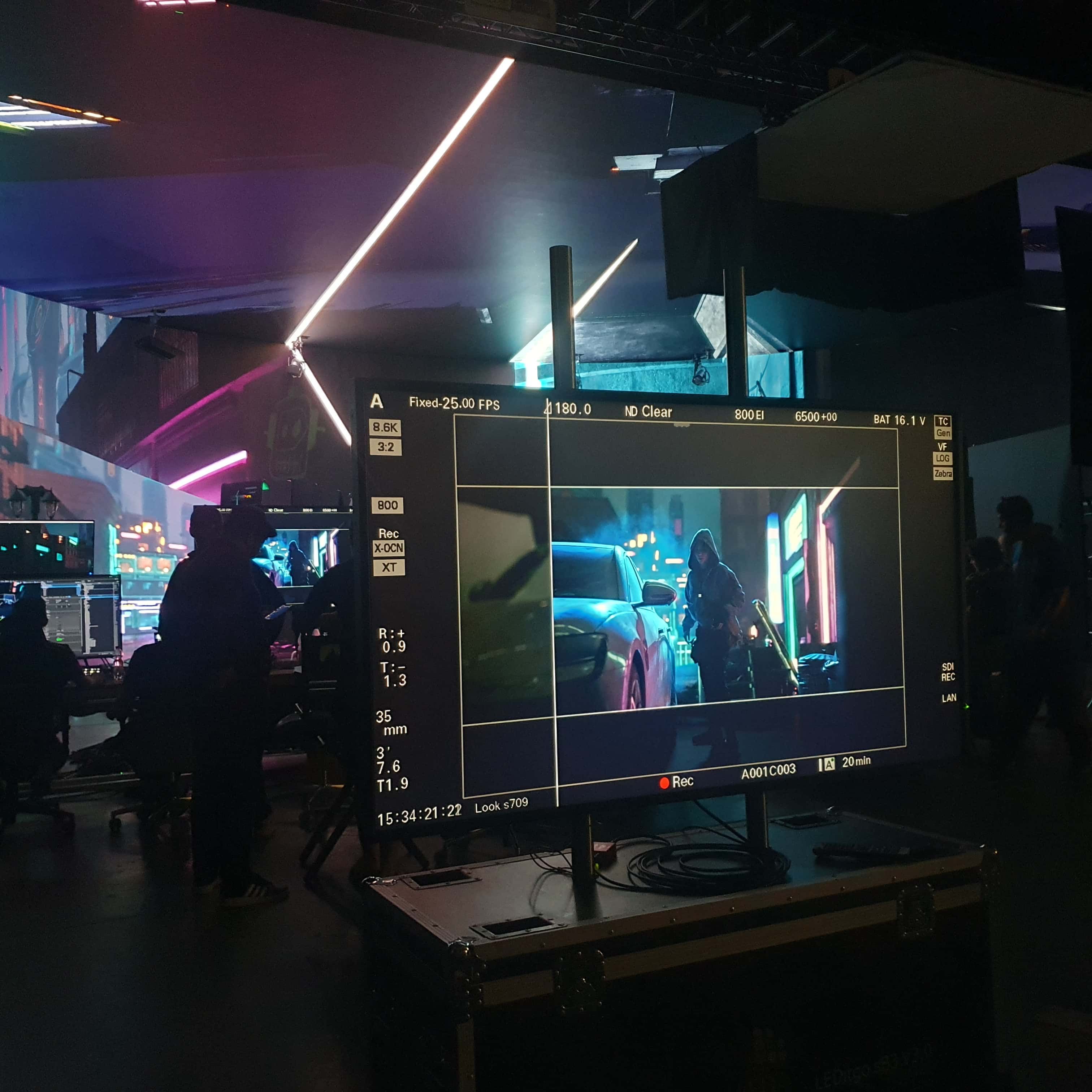
Images from the set of Interconnection, showing the virtual production studio used to shoot the series.
This process provided useful insights, but also showed its limitations. While questionnaires reveal clarity and comprehension, they rarely capture raw emotion.
“You can ask if the story made sense or if the editing worked, but it’s much harder to ask what someone felt in the moment. Feelings shift, and later impressions influence earlier memories.”
This is where neurometrics enters the picture.
Neurometrics as a Creative Tool
Neurometrics uses biometric signals such as heart rate, skin response, or eye tracking to capture audience emotions in real time. For filmmakers, it adds an extra layer of understanding to traditional feedback.
As a director, Marco Braune envisions test screenings where viewers still share their impressions afterward, but biometric sensors capture immediate, subconscious responses during the viewing.
“Emotions are difficult to capture with questions alone. Neurometrics can register audience reactions in the moment, often before they are even aware of them.”
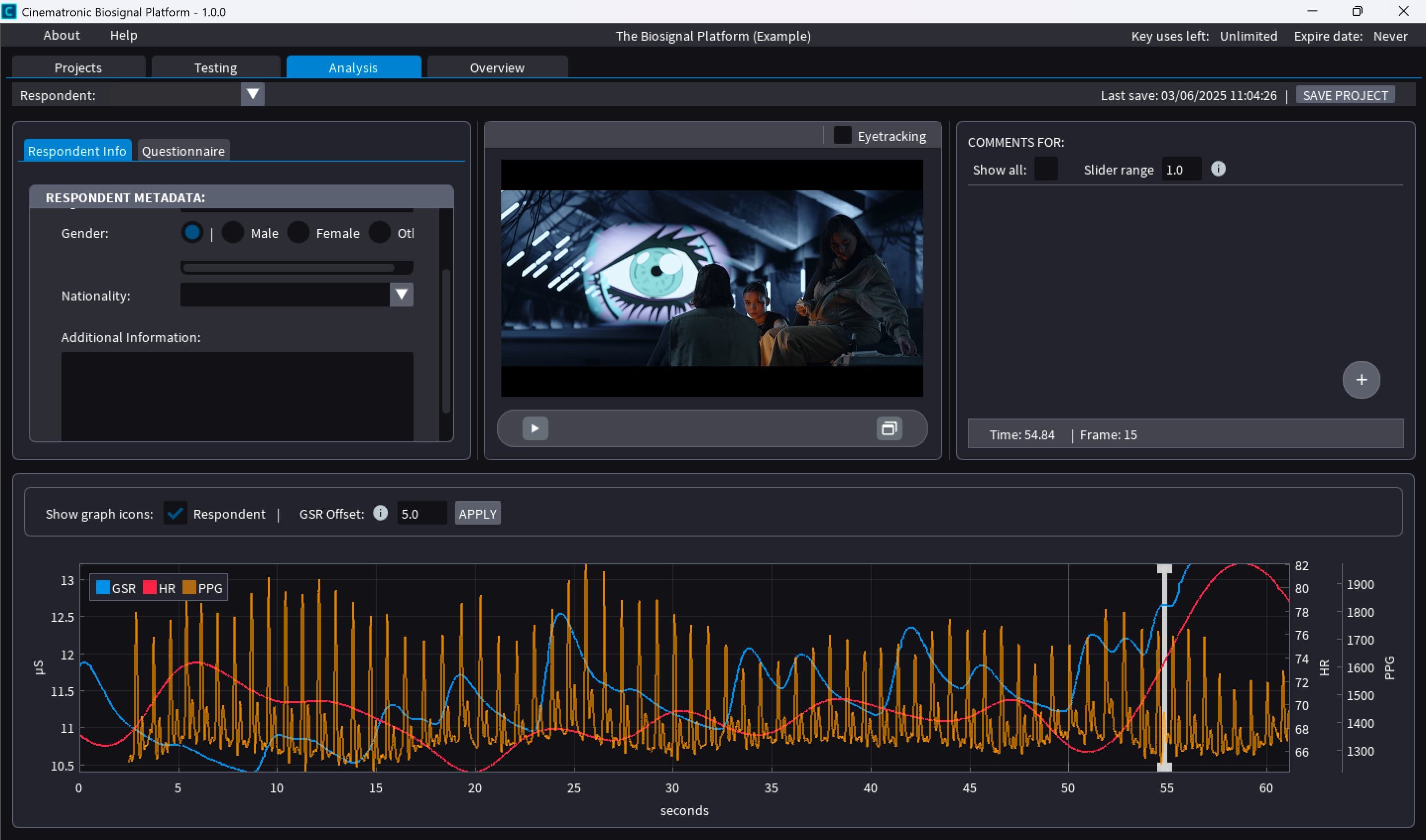
The Biosignal Platform, used to analyze audience emotional experiences from biosignal recordings & audience interviews.
This approach could help identify whether dramatic beats land as intended, highlight moments where engagement dips, and test how changes in sound or music affect emotional response.
Challenges and Responsibilities
The method is not without challenges. Sensor setup takes time, and participants may feel different knowing they are being measured. The greater concern, however, lies in interpretation.
“Just because one participant shows a negative response doesn’t mean the film has failed. Data has to be contextualized and balanced with other feedback.”
For Braune, neurometrics should serve as support for creative judgment, not as a substitute.
Looking Ahead: Possible Futures
The discussion about neurometrics also raises broader questions about technology in filmmaking. AI-assisted editing tools already exist and could, in theory, be combined with audience data. Braune remains cautious, suggesting a middle ground where data might guide AI tools, but not replace human decisions.
“There’s a useful middle ground. Audience data could guide AI tools, but the final decision must always remain with the filmmaker.”
Looking further ahead, he imagines that smartphones or smartwatches could one day collect emotional data during home viewing. While this could broaden the reach of audience research, it also raises new questions about privacy and ethics.
Education and Iteration
For filmmakers who want to work with neurometrics, the next step is education. Collecting signals is one thing, knowing how to interpret them responsibly is another. Braune also sees value in multiple rounds of testing at different stages of production. Early screenings could influence story and editing, while later sessions could fine-tune sound and atmosphere.
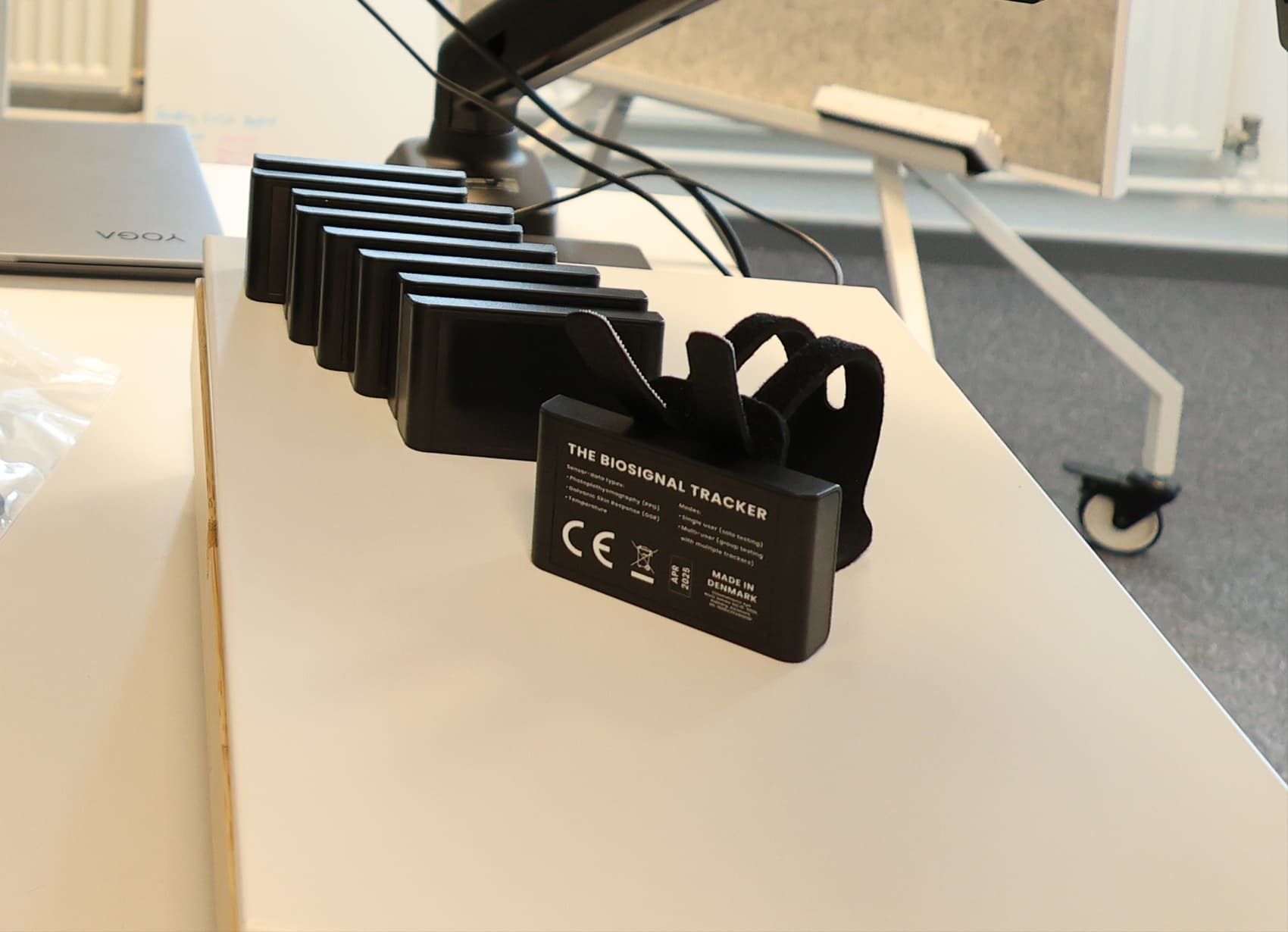
Example of a galvanic skin response (GSR) sensor, able to measure subtle changes in skin conductance, helping track moment-to-moment emotional engagement during audience screenings. Image showing The Biosignal Tracker, in development by Cinematronic.
From Vision to Practice
For this director, neurometrics is not a replacement for creativity, but an additional perspective.
“The real value is in using audience reactions as an extra layer of insight. Especially in sound design and music, this could make the difference between a good film and a truly engaging one.”
With Interconnection, Braune demonstrates how a new generation of filmmakers is learning to balance imagination with innovation. By combining artistic vision with data-driven insights, they are not only telling stories today, but also exploring the possible futures of film production.
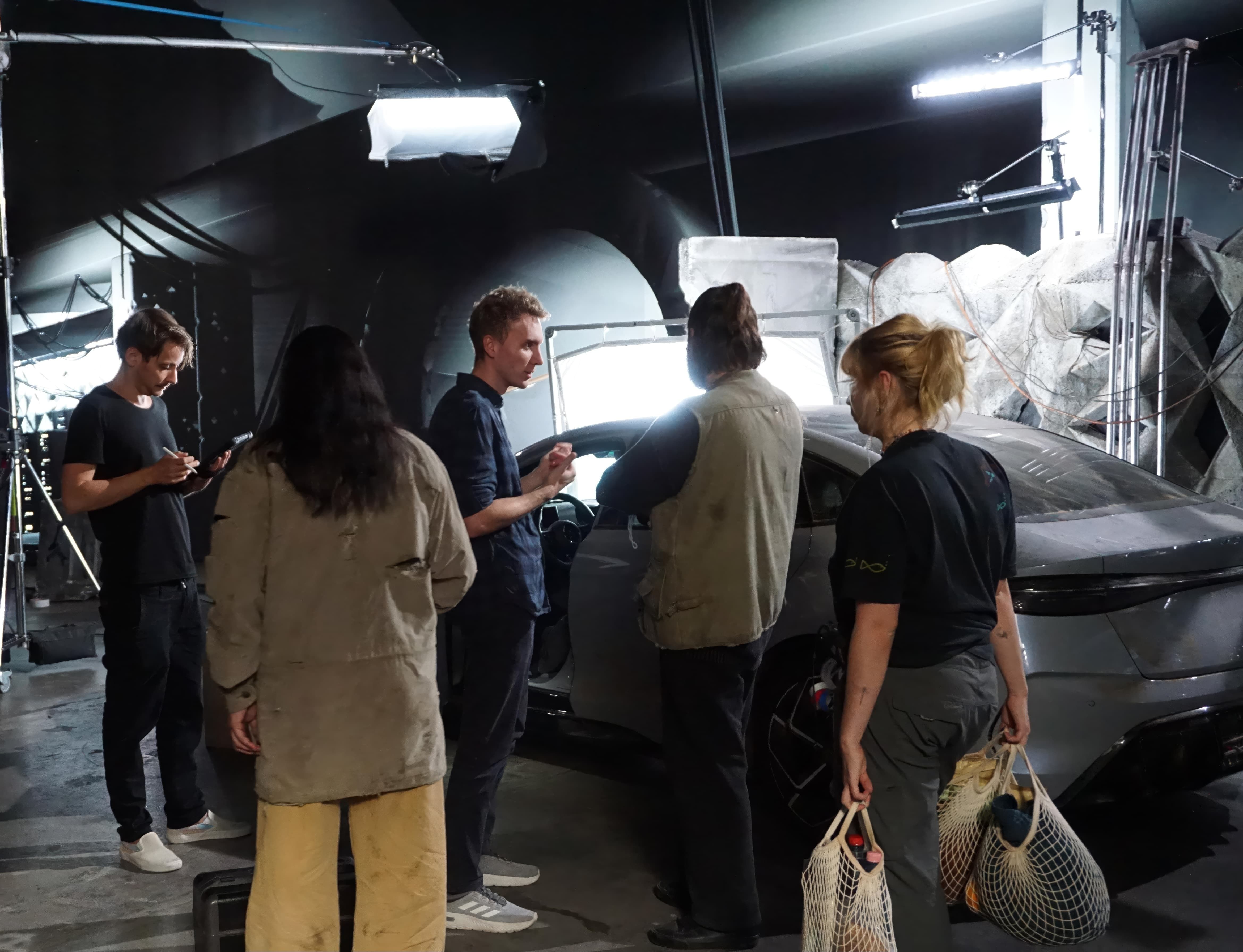
Director Marco Braune on set, Interconnection
This article is part of the KreaTech news topics, where students, educators, and industry professionals share experiences exploring the future of film technologies.